
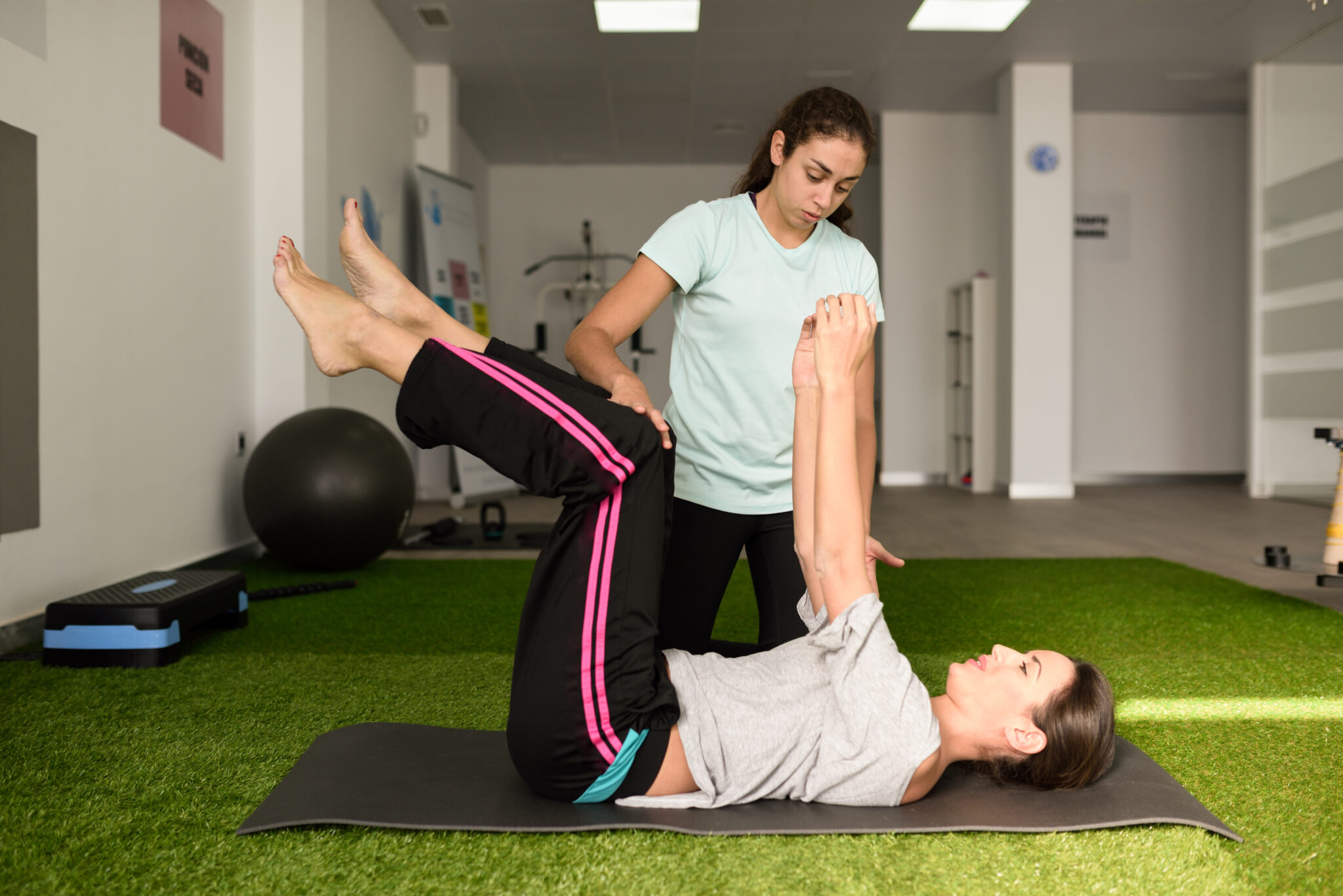
At Pinehill Physio, we understand that how you breathe is fundamental to how you feel, move, and recover from injury. Many residents across the North Shore suffer from persistent aches, unexplained fatigue, or heightened stress without realising that their breathing habits are the underlying culprit. The BradCliff Breathing Method in NZ is a world-renowned, evidence-based approach to restoring natural respiratory patterns, and we are proud to offer this specialised service to our community in Auckland. Whether you are dealing with chronic musculoskeletal issues, recovery from a long-term illness, or the physical manifestations of anxiety, our expert clinicians provide a comprehensive pathway to wellness.
By integrating theBradCliff breathing technique into our holistic treatment plans, we help you unlock the body’s innate ability to heal, ensuring you can return to the activities you love in Albany and beyond with renewed vitality and comfort.
Understanding Breathing Pattern Disorders and Their Impact on Health
Understanding the ‘why’ behind your symptoms is the first step toward effectivebreathing pattern disorder treatment at our clinic. A breathing pattern disorder (BPD) occurs when the natural, rhythmic process of respiration is disrupted, often leading to over-breathing or shallow, upper-chest breathing. This is not merely a ‘bad habit’; it is a physiological shift that can alter blood chemistry and trigger a cascade of physical symptoms. Research indicates that up to 10% of the general population may experience a breathing pattern disorder at some stage in their lives. When we breathe inefficiently, we often rely on secondary respiratory muscles in the neck and shoulders, leading to chronic tension and pain. At Pinehill Physio, ourrespiratory physiotherapy services focus on identifying these subtle shifts in mechanics before they become debilitating chronic conditions.
- Chest vs. Belly Breathing: Identifying if you are using your accessory muscles instead of your diaphragm.
- Respiratory Alkalosis: How over-breathing leads to a drop in carbon dioxide levels, affecting blood pH and oxygen delivery to tissues.
- The Vicious Cycle of Stress: How poor breathing triggers the ‘fight or flight’ response, which in turn further degrades breathing quality.
- Physical Manifestations: Recognising that dizziness, tingling in the fingers, and chest tightness are often respiratory in nature.
By identifying the root cause of these disruptions, Pinehill Physio provides a foundation for long-term health. Correcting these patterns is essential for anyone seeking shallow breathing treatment in Auckland, as it addresses the core mechanical failure rather than just masking the symptoms. Understanding your breath is the first step in reclaiming control over your physical and mental well-being.
The Science of the BradCliff Breathing Method for Modern Recovery
TheBradCliff breathing method is a unique, multi-disciplinary approach founded right here in New Zealand by pioneering physiotherapists. It is designed to treat the whole person, not just the lungs. Unlike generic relaxation techniques, the BradCliff method is a clinical intervention supported by decades of research and data. At Pinehill Physio, we use this method to help patients re-establish a functional baseline. The core of the BradCliff breathing technique involves retraining the brain and the respiratory muscles to work in harmony. This is particularly effective for those who have found that traditional treatments for their pain or fatigue haven’t quite hit the mark. Our approach is grounded in the belief that functional breathing is the cornerstone of all human performance.
- Low Breathing: Focusing on diaphragmatic engagement to ensure the lower lobes of the lungs are utilised.
- Slow Breathing: Reducing the respiratory rate to a natural, calm frequency of 8-12 breaths per minute at rest.
- Nose Breathing: Highlighting the importance of the nasal passage for filtering, warming, and humidifying air, and its role in nitric oxide production.
- Biomechanical Assessment: Using objective measures to track progress and ensure the retraining is effective,
The BradCliff method provides a structured framework that is both easy to follow and profoundly impactful. By working with a breathing physiotherapist, you gain access to a tailored program that evolves with your recovery. The science behind the BradCliff method ensures that every exercise we prescribe is backed by clinical evidence for maximum efficacy.
Chronic Pain Relief in North Shore: The Respiratory Connection
Many of our clients seeking chronic pain relief in the North Shore are surprised to learn that their back or neck pain is linked to their breathing. The diaphragm is not just a breathing muscle; it is a primary stabiliser of the core and spine. When the diaphragm doesn’t function correctly, the body compensates by overusing the muscles of the neck (scalenes and trapezius) and the lower back. This constant overwork leads to trigger points, stiffness, and chronic discomfort. Furthermore, poor breathing can increase pain sensitivity by keeping the nervous system in a state of high alert Pinehill Physio breathing services are specifically designed to break this cycle by restoring the diaphragm’s dual role in respiration and postural stability. Our patients in Browns Bay often report a significant reduction in their pain levels once they master these corrective techniques.
- Physio for rib pain: Addressing the mechanical restrictions in the thoracic cage that prevent full lung expansion.
- Core Stability: Understanding how diaphragmatic breathing retraining creates internal pressure to support the spine.
- Reducing Muscle Guarding: Using the breath to signal the nervous system to release chronic muscle tension.
- Referred Pain Patterns: Identifying how shallow breathing can cause headaches and jaw pain.
The integration of breathing retraining with traditional manual therapy is what sets Pinehill Physio apart. We don’t just treat the site of pain; we treat the system that sustains it. Addressing your breathing is a non-negotiable component of any comprehensive plan for chronic pain management and long-term recovery.
BradCliff Breathing for Anxiety and Stress Relief
Anxiety and breathing are inextricably linked in a bidirectional relationship. While anxiety can cause short, sharp breaths, a dysfunctional breathing pattern can also create feelings of panic and unease. This is often seen in hyperventilation syndrome, where a person chronically ‘over-breathes,’ leading to low CO2 levels and symptoms like heart palpitations and lightheadedness. At Pinehill Physio, we offer BradCliff breathing for anxiety as a proactive way to regulate the autonomic nervous system. By using specific BradCliff breathing exercises, our clients in Auckland learn to shift from a sympathetic (stress) state to a parasympathetic (rest and digest) state. Scientific data shows that 60-90% of patients with anxiety disorders exhibit breathing pattern abnormalities, making this intervention essential for mental health support.
- Nervous System Regulation: Using the breath to stimulate the vagus nerve and induce a relaxation response.
- Treatment for hyperventilation syndrome: Restoring the chemical balance of the blood through controlled, rhythmic breathing.
- Anxiety Relief Techniques: Providingbreathing exercises for anxiety relief that can be used anywhere, anytime.
- Bradcliff breathing for stress relief: Long-term strategies to build resilience against the daily pressures of life.
Empowering patients with the tools to self-regulate is a core goal of our clinic. When you master your breath, you master your response to stress. In conclusion, the BradCliff method offers a powerful, drug-free intervention for those looking to manage anxiety and improve their overall quality of life.
Respiratory Physiotherapy in Auckland: Targeted Treatment for Rib and Chest Pain
Rib pain can be incredibly distressing and often limits a person’s ability to engage in even light exercise. At Pinehill Physio, we see many patients from Albany and Browns Bay who complain of sharp pains during deep breaths or persistent soreness around the rib cage.
Often, this is caused by ‘stiffness’ in the joints where the ribs meet the spine or sternum, combined with poor muscular coordination. Our respiratory physiotherapy team in Auckland specialises in identifying these mechanical blocks.
By using the BradCliff method, we help patients regain the ‘bucket-handle’ and ‘pump-handle’ motions of the ribs that are necessary for efficient air intake. This targeted approach ensures that the entire thoracic complex is moving as it should, reducing the strain on individual ribs and muscles.
- Intercostal Muscle Release: Manual therapy to address tension in the muscles between the ribs.
- Thoracic Mobility: Exercises to improve the flexibility of the mid-back, which is crucial for deep breathing.
- Post-Viral Recovery: Helping those whose breathing has been affected by respiratory illnesses to regain their lung capacity.
- Pain Management Education: Teaching patients how to use breathing as a primary breathing technique for pain management during flare-ups.
Focusing on the mechanics of the chest wall is vital for complete recovery. Pinehill Physio provides specialized BradCliff Breathing Method services in Albany to help local residents restore their natural respiratory rhythm and alleviate chronic musculoskeletal pain. Targeted respiratory physio is the key to resolving complex chest and rib discomfort effectively.
Corrective Breathing Exercises and Diaphragmatic Retraining
The journey to better breathing begins with awareness and is sustained through practice. At Pinehill Physio, we prescribe specific BradCliff breathing exercises tailored to each individual’s needs. It is not enough to simply ‘breathe deeper’; you must learn to breathe better. Diaphragmatic breathing retraining involves teaching the body to once again use the large, dome-shaped muscle at the base of the lungs as the primary driver of respiration. This process requires patience, as we are often overturning years of ingrained, faulty patterns. Our breathing retraining physiotherapy experts guide you through each stage, ensuring your form is perfect to avoid further strain. Evidence shows that corrective breathing can reduce resting heart rate and sympathetic nervous system activity significantly within just four weeks of consistent practice.
- The Baseline Assessment: Using tools like the Nizhniy Novgorod score or Capnography to measure your current breathing efficiency.
- Daily Integration: How to incorporate ‘breathing snacks’ into your day-to-day life in Auckland.
- Postural Correction: Addressing the ‘slumped’ posture that often crushes the diaphragm and forces chest breathing.
- Advanced Retraining: Transitioning from quiet, seated breathing to maintainable patterns during walking and exercise.
Success in breathing retraining comes from small, frequent sessions rather than one long effort. Our team at Pinehill Physio provides the coaching and accountability needed to make these changes permanent. Corrective exercises are the ‘homework’ that turns a clinical session into a lifelong health transformation.
The Role of a Respiratory Therapist and Breathing Physiotherapist
When searching for a respiratory therapist in Auckland, it is important to choose a provider who understands the complex interplay between the lungs, the heart, and the musculoskeletal system. At Pinehill Physio, our clinicians are specifically trained in the BradCliff method, giving them a unique set of skills that go beyond traditional physiotherapy. We look at the biochemistry, the biomechanics, and the psychophysiology of your breathing. Our expert breathing physiotherapists team at Pinehill Physio in the North Shore utilizes the BradCliff breathing technique to assist patients suffering from hyperventilation syndrome and anxiety-related breathlessness. This specialized knowledge allows us to treat complex cases that may have been overlooked by other providers, ensuring every patient receives the highest standard of care.
- Comprehensive Consultation: A deep dive into your medical history, stress levels, and physical symptoms.
- Objective Testing: Measuring breath-hold times and respiratory rates to establish a clinical baseline.
- Personalised Goal Setting: Aligning your treatment plan with your personal health and fitness objectives.
- Multidisciplinary Collaboration: Working alongside your GP or other specialists to ensure a cohesive approach to your health.
Choosing a specialist ensures that you are getting the most efficient and effective treatment possible. At Pinehill Physio, we pride ourselves on being leaders in the field of breathing retraining Auckland. The right expertise makes all the difference in achieving a successful recovery and long-term health outcome.
Frequently Asked Questions About BradCliff Breathing
What exactly is the BradCliff Breathing Method?
The BradCliff Breathing Method is a structured, evidence-based physiotherapy program designed to treat breathing pattern disorders. It focuses on physiotherapy for breathing disorders by retraining the diaphragm, regulating breath rhythm, and addressing the underlying causes of over-breathing to improve both physical and mental health.
How can breathing exercises help with my chronic back pain?
Breathing exercises help chronic pain by restoring the diaphragm’s role in spinal stabilisation and reducing the over-reliance on back muscles for respiration. By calming the nervous system, corrective breathing also lowers the body’s overall sensitivity to pain signals.
Is this treatment suitable for children or the elderly?
Yes, the BradCliff method is highly adaptable and suitable for individuals of all ages, from children with asthma to elderly patients looking to improve their mobility and lung function. Our clinicians at Pinehill Physio tailor every program to the specific age and physical ability of the patient.
How many sessions will I need to see an improvement?
While some patients notice a difference in their stress levels immediately, significant physiological changes usually take 4 to 6 sessions over a period of several weeks. Consistency with your home exercises is the most important factor in how quickly you will see lasting results.
Do I need a referral from a doctor to see a breathing physiotherapist?
No, you do not need a GP referral to visit Pinehill Physio for breathing retraining. However, we often work closely with local doctors in Auckland to ensure that our treatment complements your overall medical care and addresses any underlying health issues.
Start Your Journey to Better Breathing at Pinehill Physio
Your breath is the most powerful tool you have for managing your health, yet it is often the most neglected. At Pinehill Physio, we are dedicated to helping the residents of Auckland, the North Shore, Albany, and Browns Bay rediscover the benefits of functional, natural breathing. Whether you are seeking chronic pain relief or a way to manage the physical symptoms of stress, the BradCliff Breathing Method offers a proven, clinical pathway to success. Our team is ready to guide you through every step of the process, from your initial assessment to the mastery of advanced techniques. Don’t let poor breathing habits hold you back from living your best life. Contact Pinehill Physio today to book your consultation and experience the transformative power of expert respiratory physiotherapy in the heart of the North Shore community.