
Shockwave Therapy in Auckland: Can It Help Relieve Chronic Pain?
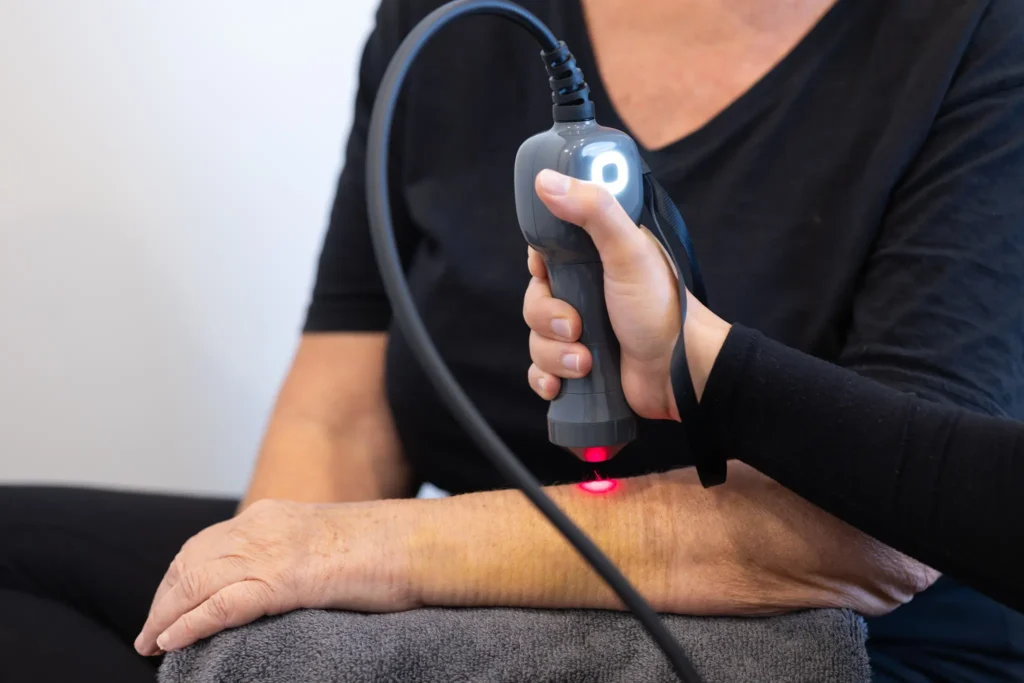
Living with persistent musculoskeletal pain can feel like an uphill battle, especially when traditional treatments have failed to provide the long-term relief you deserve. For many residents across the North Shore, chronic conditions such as plantar fasciitis, Achilles tendinopathy, and calcific shoulder tendonitis can severely limit daily activities, professional performance, and athletic pursuits. At Pinehill Physio, we understand that chronic pain relief in North Shore is not just about managing symptoms; it is about addressing the underlying tissue pathology to restore function and quality of life. As a leading provider of Shockwave Therapy in Auckland, we are committed to offering the most advanced, evidence-based treatments available.
This comprehensive guide explores how extracorporeal shockwave therapy works, the scientific evidence supporting its use, and why our shockwave clinic in Auckland is the preferred choice for patients seeking a non-invasive path to recovery. By combining clinical expertise with state-of-the-art technology, Pinehill Physio ensures that every patient receives a personalised recovery plan tailored to their unique physiological needs.
What is Extracorporeal Shockwave Therapy?
The Extracorporeal Shockwave Therapy (ESWT), its historical development in the medical field, and the technology behind the acoustic waves used at Pinehill Physio. Understanding the basic mechanics of this treatment is the first step toward appreciating its efficacy in modern orthopaedic physiotherapy. Extracorporeal Shockwave Therapy is a multidisciplinary device used in orthopaedics, physiotherapy, and sports medicine. It involves the application of high-energy acoustic waves directly to the site of injury or chronic pain. Originally developed in the 1980s for lithotripsy (breaking down kidney stones), medical researchers soon discovered that lower-energy versions of these shockwaves had a profound healing effect on soft tissues and bone. At Pinehill Physio, we utilise these precise shockwave treatments to stimulate the body’s natural healing response in areas where the blood supply may be poor or where the inflammatory process has become stalled. The technology works by generating pressure waves that travel through the skin via a coupling gel, focusing energy on the affected area to initiate cellular-level changes.
- High-energy acoustic pulses: These waves carry high energy to painful spots and myoskeletal tissues with subacute, subchronic, and chronic conditions.
- Non-invasive nature: Unlike surgery, ESWT does not require incisions, anaesthesia, or lengthy hospital stays.
- Accelerated tissue repair: The energy promotes regeneration and reparative processes of the bones, tendons, and other soft tissues.
- Evidence-based success: Clinical studies show that shockwave therapy has a success rate between 70% and 80% for chronic conditions.
Takeaway: The core philosophy of our Pinehill Physio clinic is to provide treatments that bridge the gap between conservative management and surgical intervention. By employing Shockwave Therapy in Pinehill, we offer our patients an advanced clinical tool that targets the root cause of pain, rather than merely masking the symptoms with medication. This technology is particularly effective for those who have suffered from pain for more than six months and have found little success with other modalities.
The Biological Mechanisms of Shockwave Therapy for Chronic Pain
Physiological and biological responses triggered by shockwaves within the human body. We will delve into how these acoustic waves influence cellular metabolism, blood flow, and pain transmission to facilitate long-term healing. When we apply Shockwave Therapy for Chronic Pain at Pinehill Physio, we are initiating a complex series of biological reactions. One of the primary mechanisms is ‘neovascularisation,’ which is the growth of new blood vessels. Chronic pain conditions often involve tissues with poor vascularity, such as tendons. The microtrauma caused by the shockwaves triggers the release of growth factors like VEGF (Vascular Endothelial Growth Factor) and eNOS (Endothelial Nitric Oxide Synthase). These factors stimulate the formation of new capillaries, significantly improving the blood supply and oxygenation of the treated area, which is essential for tissue repair and nutrient delivery.
Takeaway: The science of Shockwave Therapy Benefits in Albany also includes the stimulation of collagen production. Collagen is the building block of our tendons and ligaments. For chronic injuries where the tissue has become degenerative (tendinosis), shockwaves help reorganise the collagen fibres into a more functional, healthy structure. This structural improvement is vital for restoring the tensile strength of the tissue. Shockwave therapy is not just a pain-relieving tool; it is a regenerative treatment that physiologically alters the environment of the injury to promote true healing. Through our services, we offer relief for therapy pain.
Furthermore, shockwave treatments in Browns Bay have a direct impact on pain management by reducing the concentration of Substance P. Substance P is a neurotransmitter that transmits pain signals to the central nervous system. By decreasing the concentration of this chemical, shockwaves provide an immediate and lasting analgesic effect. Additionally, the high-energy waves stimulate mast cell activity. Mast cells are key components of the inflammatory process; their activation leads to the production of chemokines and cytokines, which accelerate the healing of the affected tissue. This biological reset is what makes physiotherapy in Pinehill so effective for long-standing injuries that have failed to heal through traditional means.
Plantar Fasciitis Treatment and Lower Limb Recovery
If you have ever experienced a sharp, stabbing pain in your heel with your first steps in the morning, you likely understand the impact of plantar fasciitis. This condition involves inflammation and degeneration of the thick band of tissue that runs across the bottom of your foot. For many, finding effective plantar fasciitis treatment in the wider Auckland area can be a journey of trial and error. At Pinehill Physio, we have found that shockwave therapy is one of the most successful interventions for this condition. By targeting the heel with acoustic waves, we break down scar tissue and stimulate the repair of the plantar fascia, allowing for a faster return to walking and running without pain.
Achilles tendinopathy is another condition where Shockwave Therapy in Auckland has shown remarkable results. Whether it is insertional (at the heel bone) or mid-portion tendinopathy, the Achilles tendon can be notoriously difficult to treat due to its limited blood supply. At our facility, extracorporeal shockwave therapy is used to kickstart the healing process in these stubborn tendons. We often combine this with specific loading exercises to ensure the tendon becomes stronger and more resilient over time. This dual approach is why Pinehill Physio is a leader in sports injury recovery in Auckland athletes and active individuals.
- Plantar Fasciitis: High success rate in reducing heel pain and improving mobility.
- Achilles Tendinopathy: Effective for both mid-portion and insertional cases.
- Medial Tibial Stress Syndrome: Helps resolve ‘shin splints’ in runners and athletes.
- Patellar Tendinopathy: Targets ‘jumper’s knee’ to restore knee stability and power.
Takeaway: The goal of our lower limb protocols is to provide chronic pain relief in Auckland that is sustainable. We don’t just want you to feel better for a week; we want to ensure you can continue your fitness journey for years to come. By addressing these conditions with the right technology and clinical expertise, we help you avoid the need for corticosteroid injections or surgery.
Shockwave Therapy for Shoulder Pain and Upper Limb Conditions
Shoulder pain is a frequent complaint at Pinehill Physio, often resulting from rotator cuff tendinopathy or calcific tendinitis. Calcific tendinitis occurs when small calcium deposits form within the tendons of the rotator cuff, causing significant pain and restricted movement. Traditional treatments often involve invasive needle barbotage or surgery. However, our shockwave clinic in Auckland offers a non-invasive alternative. The acoustic waves are capable of breaking down these calcium deposits into smaller particles, which are then absorbed by the body’s natural metabolic processes. This treatment significantly improves range of motion and provides substantial Shockwave Therapy for Chronic Pain in the shoulder joint, acting as an effective tendonitis treatment in Auckland.
Upper limb tendon injuries like lateral epicondylitis (tennis elbow) and medial epicondylitis (golfer’s elbow) also respond exceptionally well to shockwave treatments in Browns Bay. These conditions are typically overuse injuries that lead to micro-tearing at the point where the tendons attach to the bone. Because these areas have a naturally poor blood supply, they can become chronic very quickly. By applying shockwave therapy at Pinehill Physio, we stimulate blood flow to these specific attachment points, encouraging the body to repair the micro-tears and reduce the sensitivity of the local nerves.
Takeaway: We have found that patients who have previously struggled with chronic elbow pain for years find significant relief after just a few sessions of shockwave therapy. The process involves identifying the exact point of maximal tenderness and applying the shockwaves to that precise location. This ensures the energy is delivered exactly where it is needed most.
The Benefits of Orthopaedic Physiotherapy at Pinehill Physio
At Pinehill Physio, we believe that shockwave therapy is most effective when it is part of a broader rehabilitation strategy. While the technology is impressive, it is the clinical expertise of our therapists that ensures its success. Orthopaedic physiotherapy involves a deep understanding of biomechanics, anatomy, and the healing process. When you visit our clinic for Shockwave Therapy in Pinehill, you aren’t just getting a machine applied to your skin; you are receiving a full diagnostic assessment to understand why the injury occurred in the first place. This might involve looking at your gait, your footwear, your workstation ergonomics, or your training load.
Our recovery after injury services in Auckland are designed to take you from the acute phase of pain all the way back to full performance. This integrated model means that your shockwave sessions are complemented by manual therapy, specific strengthening exercises, and education on how to manage your condition at home. We have found that this approach significantly enhances the shockwave therapy benefits in Albany, as it addresses both the symptoms and the contributing factors. For example, if you are receiving treatment for plantar fasciitis, we will also look at the mobility of your ankle and the strength of your calf muscles to prevent the pain from returning.
- Personalised Assessment: Every treatment begins with a thorough physical examination.
- Integrated Care: Shockwave is combined with exercise prescription and manual techniques.
- ACC Registered: We are a registered ACC provider, making high-quality care accessible.
- Long-term Focus: Our goal is to prevent recurrence through education and strengthening.
Takeaway: By choosing Pinehill Physio, you are choosing a team that is dedicated to ‘Elevating Health to Elevate Life’. We take pride in being a trusted name for physiotherapy for chronic pain on the North Shore. Our clinical protocols are based on the latest research, ensuring that our patients receive the highest standard of care available in New Zealand.
What to Expect: Your Journey at Our Shockwave Clinic in Auckland
Starting a new treatment can often feel daunting, but at Pinehill Physio, we strive to make the process as transparent and comfortable as possible. Your journey begins with a comprehensive consultation where we confirm your diagnosis and determine if shockwave therapy is the right choice for you. Once cleared for treatment, you will be positioned comfortably, and a coupling gel will be applied to the skin over the target area. This gel is essential for the efficient transmission of the acoustic waves from the applicator into your tissues. The therapist then moves the applicator over the area in a circular motion, delivering the precise amount of energy required for your specific condition.
One of the most common questions we hear is about the sensation of the treatment. While it is called ‘shockwave,’ it does not involve electrical shocks. Instead, you will feel a series of rapid percussive pulses. Some patients describe it as a ‘heavy tapping’ or ‘deep vibration.’ While there may be some mild discomfort or therapy pain during the procedure—especially if the area is already very sensitive—our therapists can adjust the intensity of the device to your tolerance. Most patients find that the sensation becomes easier to handle after the first minute as the area begins to numb slightly due to the analgesic effect of the waves. Each session typically lasts between 10 to 15 minutes per area.
Takeaway: When it comes to the timeline for recovery, many patients wonder how many sessions of shockwave therapy will be needed. While every individual is different, most clinical protocols recommend between 3 and 5 sessions, spaced about a week apart. Many people notice a significant reduction in pain after the very first session, though the full regenerative benefits of the treatment take several weeks to manifest as the body rebuilds tissue. The treatment is quick, manageable, and requires a relatively small time commitment for such substantial long-term results.
Shockwave Therapy for Muscle Injury and Soft Tissue Strains
While shockwave therapy is famously effective for tendons, its benefits extend deeply into the muscular system. At Pinehill Physio, we frequently use shockwave therapy for muscle injury and persistent myofascial trigger points. Trigger points are hyperirritable spots in the skeletal muscle that are associated with palpable nodules in taut bands of muscle fibres. These can cause referred pain and significantly limit your range of motion. When traditional massage or stretching fails to release these ‘knots,’ the high-energy pulses of shockwave therapy can penetrate deep into the muscle tissue to disrupt the dysfunctional motor endplates and encourage muscle relaxation.
For athletes on the North Shore, sports injury recovery often involves dealing with old muscle tears or strains that have healed with excessive scar tissue. This scar tissue is less elastic than healthy muscle, making the area prone to re-injury. Shockwave treatments in Browns Bay help by breaking down this fibrotic tissue and stimulating a more organised healing response. This is particularly useful for chronic hamstring strains or calf tears that seem to ‘ping’ every time you try to return to high-intensity training. By improving the quality of the muscle tissue, we help you get back to the sports you love with greater confidence.
- Myofascial Release: Targets deep-seated trigger points that cause chronic tension.
- Scar Tissue Breakdown: Improves the elasticity of previously injured muscles.
- Enhanced Circulation: Brings fresh blood and nutrients to recovering muscle groups.
- Reduced Recovery Time: Speeds up the transition from injury back to full activity.
Takeaway: The versatility of shockwave therapy makes it an invaluable tool in our Auckland clinic. Whether you are a professional athlete or someone who simply enjoys a weekend walk, having access to advanced muscle recovery technology can make a world of difference. Our therapists at Pinehill Physio are experts at identifying which muscle groups will benefit most from this intervention.
Frequently Asked Questions About Shockwave Therapy in Pinehill
Is shockwave therapy safe for everyone?
Shockwave therapy is a very safe treatment with minimal side effects; however, it is not suitable for everyone. We do not use it on patients who are pregnant, have a pacemaker, have a blood clotting disorder, or have a local infection or tumour in the treatment area. During your initial assessment at Pinehill Physio, we will review your medical history to ensure this is the safest and most effective option for your recovery.
Does the treatment hurt during the session?
There can be a level of discomfort or therapy pain during the application, as we are targeting an already sensitive or injured area. However, the intensity of the shockwaves is always within the patient’s control, and our therapists can adjust the settings to ensure the procedure is tolerable. Most patients find that any discomfort is short-lived and well worth the long-term pain relief that follows the session.
How soon can I return to exercise after a session?
We generally recommend that patients avoid high-impact or strenuous exercise for 48 hours following a shockwave session. This allows the treated tissue to begin the inflammatory response and healing process without being overloaded. You can usually continue with light activities of daily living immediately, but your therapist at Pinehill Physio will provide you with a specific post-treatment plan based on your injury.
Are the results of shockwave therapy permanent?
Shockwave therapy aims to trigger a permanent biological repair of the damaged tissue rather than just providing temporary pain relief. Once the tissue has healed and the underlying cause of the strain—such as poor biomechanics—has been addressed through our orthopaedic physiotherapy services, the results are typically long-lasting. Success is most often achieved when patients follow the full course of treatment and complete their prescribed rehabilitation exercises.
How do I know if I need shockwave therapy?
If you have been suffering from a musculoskeletal injury for more than three months and traditional treatments like rest, ice, or standard physical therapy haven’t helped, you are likely a candidate for shockwave. Conditions like chronic heel pain, persistent shoulder stiffness, or recurring tendonitis are prime examples. The best way to find out is to book a diagnostic session at our shockwave clinic in Auckland, where we can assess your specific condition in detail.
Achieve Lasting Chronic Pain Relief in Auckland Today
Chronic pain does not have to be a permanent part of your life. With the advent of advanced medical technologies like Extracorporeal Shockwave Therapy, the path to a pain-free life is more accessible than ever before. Pinehill Physio in Pinehill, Auckland, provides industry-leading Shockwave Therapy in Auckland to ensure residents receive the most advanced chronic pain relief in North Shore has to offer. Our dedicated team of experts is here to guide you through every step of your recovery, from the initial diagnosis to the final stages of your rehabilitation. We combine the power of shockwave treatments in Browns Bay with a holistic, patient-centred approach to ensure you achieve the best possible outcomes. Don’t let persistent tendonitis or muscle injuries hold you back any longer. Experience the difference that expert care and state-of-the-art technology can make. To take the first step toward your recovery and discover the many Shockwave Therapy Benefits for yourself, Contact Us today at Pinehill Physio to schedule your consultation. Let us help you elevate your health and elevate your life.